"To preserve heritage, promote dialogue, and build community through culture, education, and shared stories.
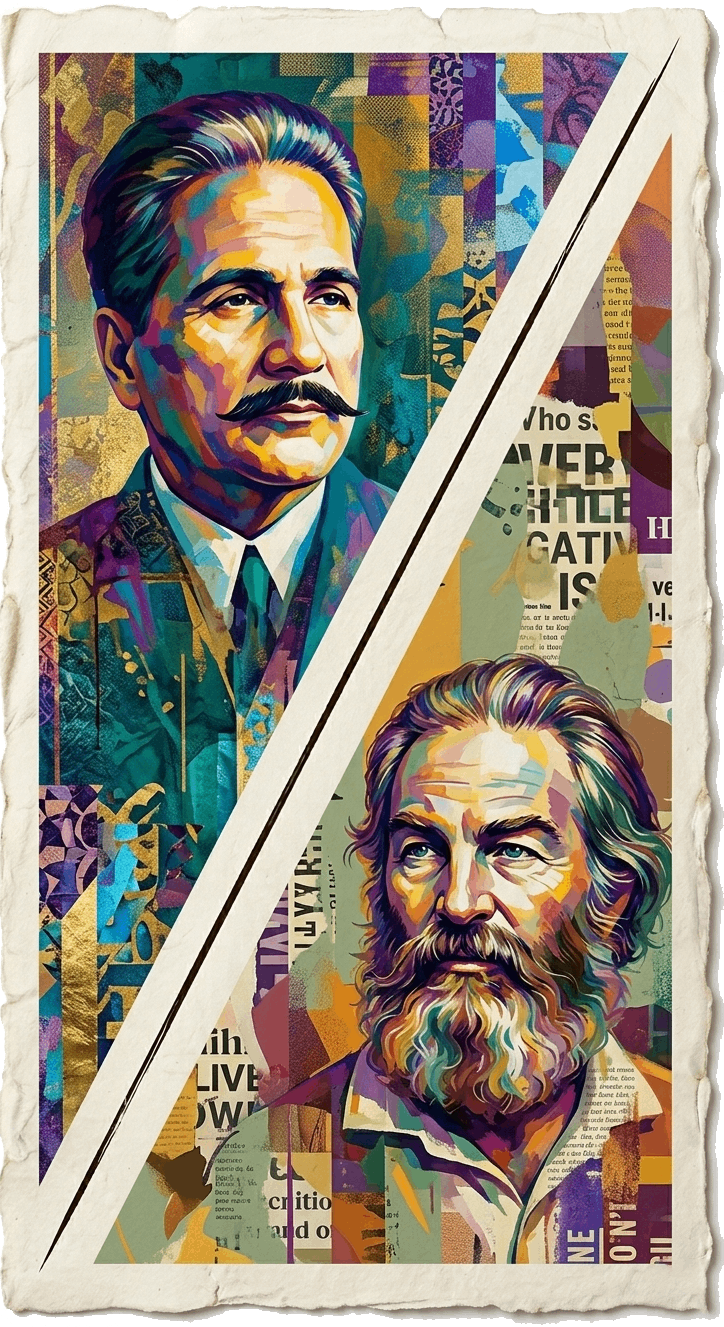
Allama Muhammad Iqbal was a South Asian poet and philosopher whose work emphasized the importance of ideas, selfhood, and intellectual strength in shaping civilizations. He believed that lasting societies are formed through thought, learning, and cultural confidence.
Iqbal admired Walt Whitman, particularly Whitman’s idea of the “Americans of the future.” Whitman used this phrase to describe a nation still in the making — shaped by immigration, change, and new voices — where identity keeps evolving as people arrive, contribute, and become part of the country’s shared story.
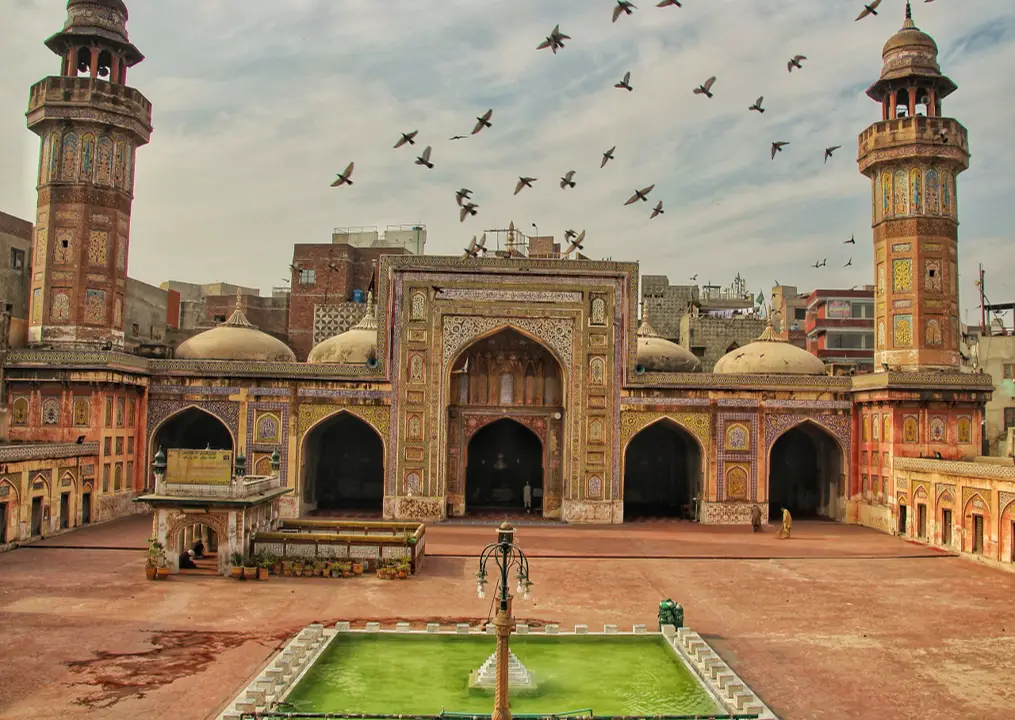
This admiration is reflected in Iqbal’s own writing. In his poem “Masjid-e-Qurtuba” (The Mosque of Córdoba), Iqbal wrote about the Córdoba mosque as a historical example of a society shaped over time by many people living, learning, and creating together.
The Iqbal-Whitman Center is named to honor Iqbal’s belief in the power of ideas and intellectual exchange. The Center builds on this legacy by celebrating South Asian thought while creating a space where people can gather, learn, and engage across differences — helping shape the Americans of the future.
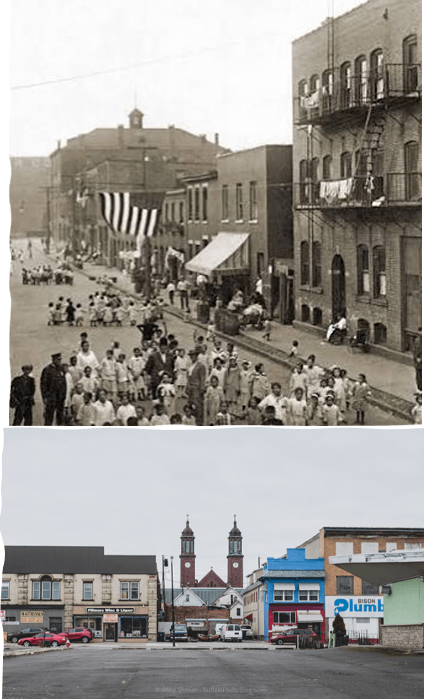
Buffalo’s story has always been one of reinvention.
From its rise during the Erie Canal era to its recent cultural revival, this city has thrived because of the people who came here seeking new beginnings.
Generations of immigrants — Polish, Irish, Italian, German, Pakistani, Arab, Yemeni, Bangladeshi, and many more — shaped its neighborhoods, industries, and identity.
Their churches, markets, and traditions still define Buffalo’s character today.
The Iqbal-Whitman Center builds on that legacy.
It transforms an unused historic church into a living monument to Buffalo’s diversity, resilience, and creative spirit — a place that honors every community that calls this city home.
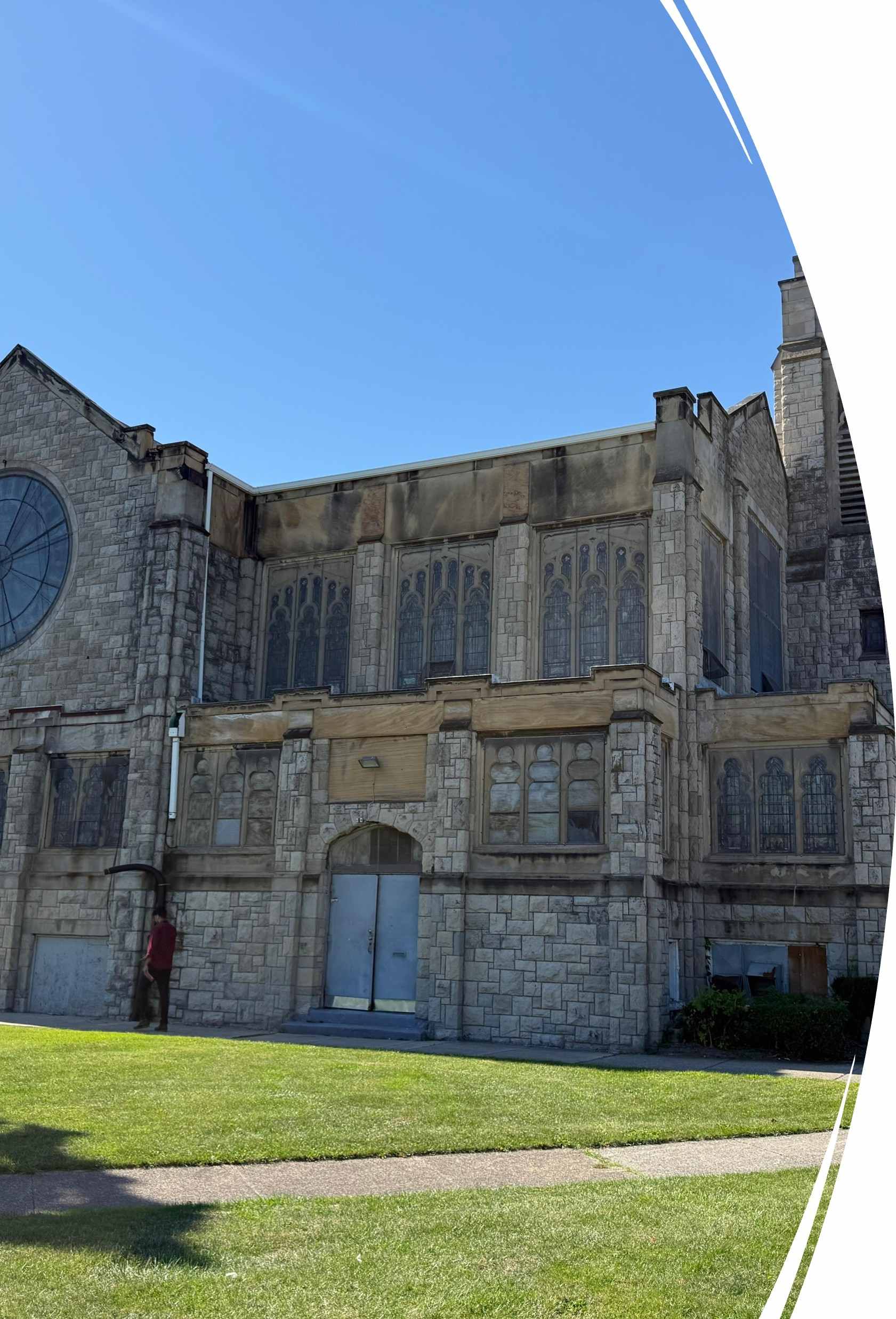
This former church, though no longer active, stands as a powerful symbol of Buffalo’s architectural heritage — and its potential for renewal.
The Iqbal-Whitman Center proposes to reimagine, not erase, that history.
By repurposing this space as a museum-style cultural and educational hub, we give the building — and the community — a new life.
Adaptive reuse preserves craftsmanship while introducing modern accessibility.
Central location ensures visibility and connection to surrounding neighborhoods.
Flexible design allows for exhibits, workshops, and community events year-round.
Alignment with city and state heritage-preservation goals strengthens Buffalo’s cultural infrastructure.
This is not just a restoration — it’s a reinvestment in the story of who we are and who we can become.
Preserving the building’s architectural heritage through thoughtful restoration, refined signage, and timeless museum-inspired design.
Clean restoration preserving the building’s historic character.
Rust removal, neutral lighting, and subtle museum-style signage.
3D brass lettering on concrete, elegant and timeless, matching the museum aesthetic.
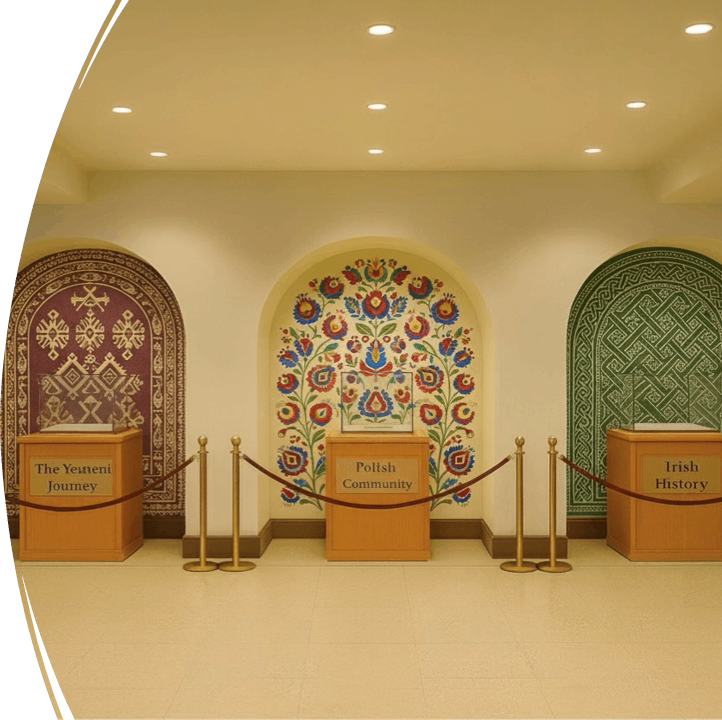
Each of the church’s original alcoves becomes a small exhibit honoring a different immigrant community that helped build Buffalo.
Every arch is roughly four feet deep and eight feet wide, allowing visitors to step closer and experience layered displays.
Artifacts or photos contributed by that community are displayed within each alcove.
Patterned panels inspired by traditional art, textiles, or architecture are integrated into the design.
Together, these arches create a rhythmic sequence — visually unified through color and geometry, yet distinct in their cultural expression.
They transform the lower hall into a “corridor of origins,” letting visitors walk through Buffalo’s living history.
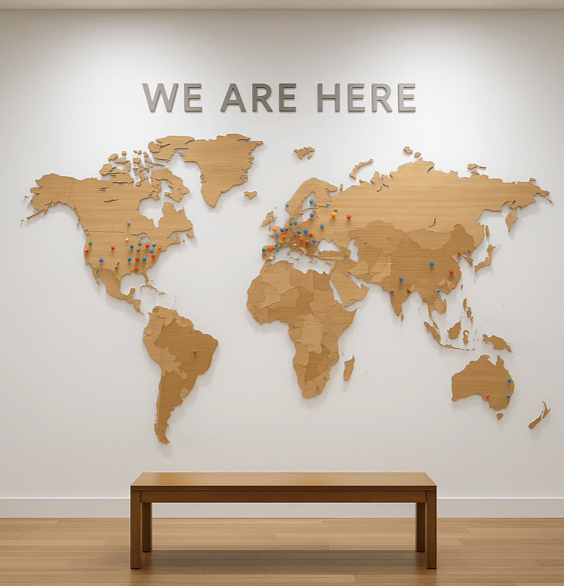
This display will be on the wall next to the entrance/exit.
An interactive world map invites visitors to mark their origins or family roots.
Highlights Buffalo’s diverse communities and evolving immigration patterns.
Connects individual stories to the shared local landscape.
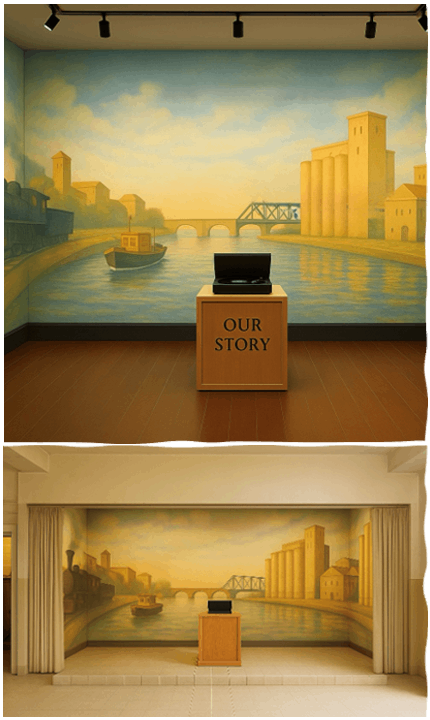
Located on the raised platform area.
Visitors can listen to or record short oral histories, relevant podcasts, or stories of local immigrants.
Combines audio storytelling, photography, and artifact displays.
The surrounding wall mural will be painted by local immigrant artists or projected arts and quotes.
Designed to evolve over time as the community contributes new stories.
Revitalizes a vacant landmark without altering integrity.
Fosters cultural literacy among Buffalo residents.
Attracts local investment and global cultural interest.
A shared civic space for all generations and backgrounds.
The Iqbal Center is not only a restoration — it’s a promise to carry forward Buffalo’s story into the next century.
Fill out the form below and we’ll get back to you shortly.